Registration now open for HCSEC 2026. Register Now!

Employee Engagement, Workforce & Culture

Operation Uplift: Strengthening Employee Morale in Healthcare Through Leadership and Recognition

Healthcare team celebrating success to improve employee morale in healthcare and strengthen team engagement

About This Webinar

Building employee morale in healthcare requires consistent leadership, meaningful recognition, and strong team connection during times of stress and change. By improving workplace culture in healthcare and strengthening healthcare workforce resilience, organizations can create environments where caregivers feel supported, energized, and motivated to perform at their best.

If you enjoyed this webinar you can register for upcoming sessions here: https://www.customlearning.com/webinars/

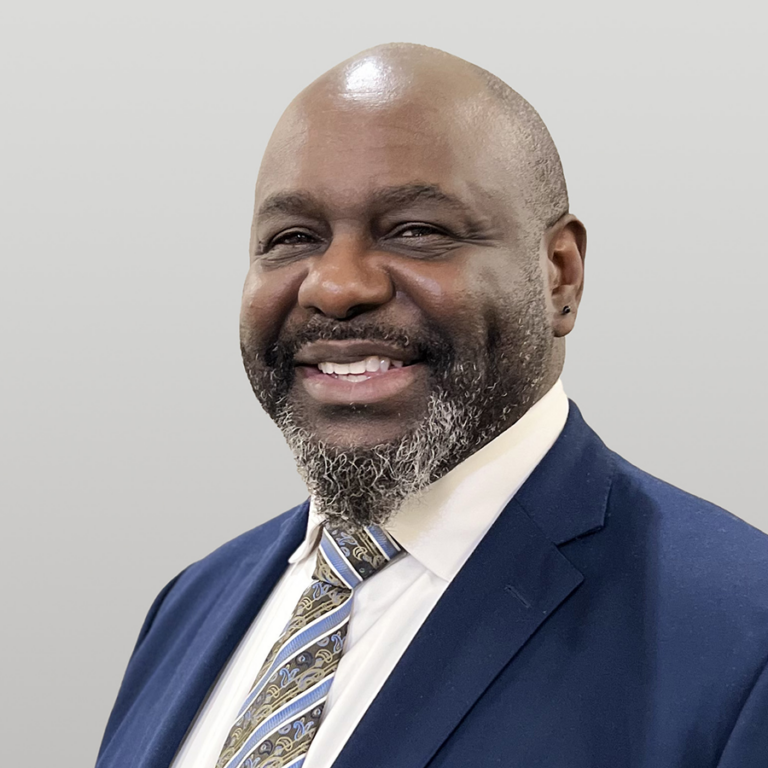
Presented by:

Mike Kolenda

Employee morale in healthcare, healthcare workforce resilience

Lynn Sullivan

Andrew Lewis

Brian Lee

  • Healthcare workers are experiencing severe burnout, fatigue, and emotional strain
  • COVID-19 significantly increased mental health challenges in healthcare environments
  • Compassion fatigue occurs when caregivers are emotionally depleted
  • You cannot sustain care delivery without supporting caregiver wellbeing
  • Morale must be actively maintained—it naturally declines under pressure
  • Retention is critical; losing staff increases stress and workload across teams
  • Listening to employees is one of the most effective retention strategies
  • Leaders must proactively ask employees what would make them stay or leave
  • Self-care is essential and must be modeled by leadership
  • Small actions (rest, creativity, time outdoors) improve resilience
  • Human connection is critical for recovery and sustained performance
  • Hope is a leadership responsibility—it drives long-term resilience and engagement

Hospital Value-Based Purchasing (VBP) Program by the Centers for Medicare & Medicaid Services (CMS).
You can find it here: https://www.cms.gov/medicare/quality/value-based-programs/hospital-vbp


Hospital Value-Based Purchasing Program Domain Weighting by the Centers for Medicare & Medicaid Services (CMS).
You can find it here: https://www.cms.gov/files/document/hvbp-weighting.pdf

Hospital Value-Based Purchasing Program by the Centers for Medicare & Medicaid Services (CMS).
You can find it here: https://www.cms.gov/medicare/quality/value-based-programs/hospital-value-based-purchasing

Care Coordination by the Agency for Healthcare Research and Quality (AHRQ).
You can find it here: https://www.ahrq.gov/ncepcr/care/coordination.html

The Human Factor: The Critical Importance of Effective Teamwork and Communication in Providing Safe Care by Michael Leonard, Suzanne Graham, and David Bonacum.
You can find it here: https://www.ncbi.nlm.nih.gov/pmc/articles/PMC1115427/

Sleep Disruption in Hospitalized Patients and Its Impact on Recovery by researchers published through PubMed Central.
You can find it here: https://www.ncbi.nlm.nih.gov/pmc/articles/PMC5449130/

Teach-Back: A Tool for Improving Patient Understanding by the Agency for Healthcare Research and Quality (AHRQ).
You can find it here: https://www.ahrq.gov/health-literacy/improve/precautions/tool2b.html

Project RED (Re-Engineered Discharge): Improving Hospital Discharge Processes to Reduce Rehospitalization by Susan Hansen, Richard Young, Karen Hinami, Amanda Leung, and Mark Williams.
You can find it here: https://www.ncbi.nlm.nih.gov/pmc/articles/PMC4155723/

Welcome everyone. Today’s session is Operation Uplift—a caregiver fatigue recovery plan focused on supporting healthcare teams.

Healthcare workers are facing extreme fatigue, stress, and emotional strain following the COVID-19 pandemic.

Key issues include burnout, mental health decline, staffing shortages, and compassion fatigue. The central message is simple: you cannot pour from an empty cup.

Operation Uplift introduces practical strategies across four core areas:

  1. Fatigue and Burnout

Healthcare workers are experiencing deep physical and emotional exhaustion. Signs include emotional fatigue, reduced sense of accomplishment, and disengagement. Leaders must recognize these signs and respond with meaningful support.

  1. Morale

Morale must be actively maintained—it does not sustain itself. Leaders should create environments that support connection, recognition, and positivity to rebuild energy and engagement.

  1. Retention

Retaining staff is critical. Leaders must listen proactively and ask key questions such as:

  • What would cause you to leave?
  • What would make you stay?

Understanding these insights allows action before turnover occurs.

  1. Self-Care

Self-care is essential. Healthcare professionals must recharge mentally, physically, and emotionally through practices such as time in nature, breathing, creativity, and mindful breaks.

Leaders should model these behaviours to normalize self-care.

Human connection, empathy, and hope are essential to recovery. Supporting healthcare workers directly impacts organizational stability and patient care quality.

Thank you for your continued dedication.

Building employee morale in healthcare requires consistent leadership, meaningful recognition, and strong team connection during times of stress and change. By improving workplace culture in healthcare and strengthening healthcare workforce resilience, organizations can create environments where caregivers feel supported, energized, and motivated to perform at their best.

Employee morale in healthcare has become a critical factor in maintaining performance, retention, and overall workforce stability. The Operation Uplift session highlights the importance of supporting caregivers during periods of stress, fatigue, and staffing challenges. As healthcare environments become more demanding, organizations must take intentional steps to maintain morale and create a positive work environment. Strengthening employee morale in healthcare helps ensure that caregivers remain engaged, motivated, and able to deliver high-quality care.

One of the key challenges facing healthcare teams today is burnout. Long hours, emotional demands, and ongoing workforce shortages contribute to fatigue and decreased job satisfaction. When morale declines, it not only affects individual performance but also impacts team dynamics and patient care. Organizations that prioritize healthcare workforce resilience are better equipped to address these challenges and support staff through difficult conditions.

Recognition and appreciation are among the most effective ways to improve employee morale in healthcare. The session emphasizes that recognition does not need to be formal or complex to be meaningful. Simple acts of acknowledgment—such as thanking staff, highlighting achievements, or recognizing effort—can significantly improve engagement and motivation. When caregivers feel valued, they are more likely to remain committed to their roles and contribute positively to the work environment.

Communication also plays a central role in maintaining morale. Clear, consistent communication helps reduce uncertainty and builds trust between leadership and staff. When teams understand expectations, priorities, and organizational goals, they are better able to stay aligned and focused. Strong communication supports improving workplace culture in healthcare by creating an environment where individuals feel informed and connected.

Leadership behavior is another critical factor in workforce uplift. Leaders set the tone for how teams experience their work environment. Visible, supportive leadership helps reinforce positive behaviors and creates a culture of accountability and trust. When leaders actively engage with staff and recognize their contributions, it strengthens employee morale in healthcare and builds stronger relationships across teams.

The session also highlights the importance of connection within teams. Healthcare professionals rely on one another in high-pressure situations, and strong relationships contribute to both performance and well-being. Encouraging collaboration, open communication, and peer support helps create a sense of belonging. This connection is essential for improving workplace culture in healthcare and fostering a supportive environment.

Another important element is consistency. Improving morale is not a one-time effort but an ongoing process that requires reinforcement and follow-through. Organizations must continue to recognize staff, communicate clearly, and support their teams over time. This consistent approach helps build healthcare workforce resilience by ensuring that caregivers have the support they need to succeed in challenging environments.

In addition to recognition and communication, it is important to create opportunities for staff to recharge and recover. Even small moments of rest or reflection can help reduce stress and improve focus. Supporting caregivers in managing their energy contributes to both individual well-being and overall team performance. This focus on recovery is a key component of sustaining employee morale in healthcare.

Organizations must also consider how systems and workflows impact morale. Inefficient processes and unclear expectations can create frustration and reduce effectiveness. By improving workflows and removing unnecessary barriers, organizations can support staff more effectively. These improvements contribute to a stronger culture and help teams operate more efficiently.

Ultimately, Operation Uplift emphasizes that morale is shaped by daily experiences, leadership actions, and team interactions. Employee morale in healthcare is not determined by a single initiative but by consistent behaviors that reinforce value, recognition, and connection. By investing in healthcare workforce resilience and strengthening workplace culture, organizations can create environments where caregivers feel supported and empowered.

When healthcare teams feel motivated and valued, they are better equipped to deliver high-quality care and maintain strong performance. Improving workplace culture in healthcare not only benefits staff but also enhances patient experience and long-term organizational success.


Join our upcoming webinars

Turning Strategy into Action: A Real-World Service Excellence Journey

Beyond the Hire

Beyond the Hire: Building a Workforce That Stays

The Weight of Your Words: How Leaders Shape Culture Through Language

Interested in learning more?

Contact Us.

FAQ Form