Registration now open for HCSEC 2026. Register Now!

Employee Engagement, Growth & Strategy, Marketing & Reputation, Workforce & Culture

Turning Strategy into Action: A Real-World Service Excellence Journey

About This Webinar

At Family Health West, service excellence became more than an initiative—it became part of the culture. By investing in employee engagement healthcare efforts and creating a shared commitment to patient experience improvement, the organization transformed its approach to service, accountability, and teamwork. Their journey shows how service excellence healthcare programs can create meaningful, lasting change when employees are empowered to take ownership of the patient experience.

If you enjoyed this webinar you can register for upcoming sessions here: https://www.customlearning.com/webinars/

Presented by:

service excellence healthcare, employee engagement healthcare, patient experience improvement

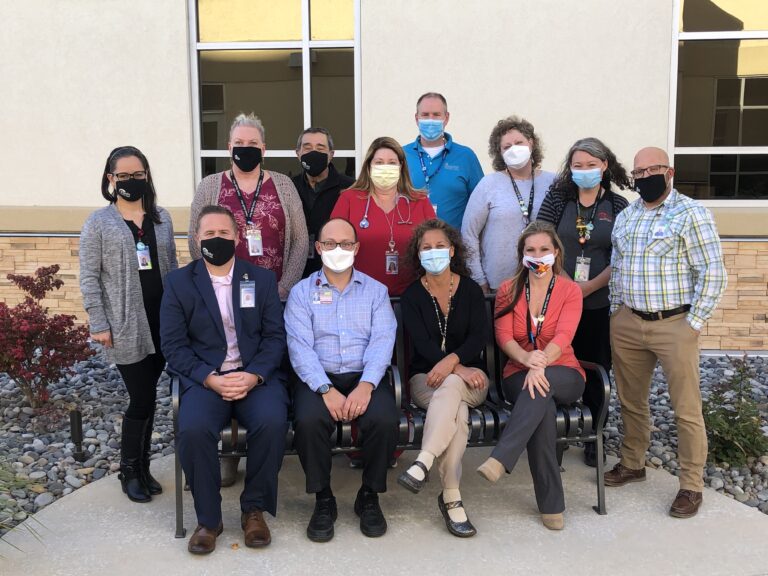
Family Health West Service Excellence Council

  • Service excellence is created through intentional behaviors, not good intentions alone.
  • Employee ownership is critical for sustainable culture change.
  • Frontline staff contribute valuable improvement ideas.
  • Consistent behavioral expectations reinforce organizational values.
  • Employee engagement healthcare efforts improve when staff have ownership and influence.
  • Recognition helps sustain positive behaviors and culture.
  • Communication plays a critical role in organizational success.
  • Service recovery can strengthen trust and loyalty.
  • Continuous improvement should be everyone’s responsibility.
  • Strong culture supports both employee retention and patient experience improvement.

Family Health West Service Excellence Journey as presented by Family Health West during the Turning Strategy into Action webinar.

Employee Engagement: What Drives Loyalty? by Gallup.
You can find it here: https://news.gallup.com/businessjournal/106912/employee-engagement-what-drives-loyalty.aspx

The Importance of Employee Recognition: Low Cost, High Impact by Annamarie Mann and Nate Dvorak. You can find it here: https://www.gallup.com/workplace/236441/employee-recognition-low-cost-high-impact.aspx

The Power of Small Wins by Teresa Amabile and Steven Kramer.
You can find it here: https://hbr.org/2016/12/the-power-of-small-wins

Overview

This session highlights Family Health West’s Service Excellence journey and how they transformed their culture into one focused on employee engagement, accountability, continuous improvement, and exceptional patient experiences. Members of the Service Excellence Council share how they built a sustainable program that empowers employees at every level to actively improve the organization.

Building a Culture by Design

Family Health West’s commitment to service excellence began long before the formal implementation of their Service Excellence Initiative. Leadership recognized that while employees genuinely cared about patients and one another, everyone approached service differently.

The goal became creating quality and culture by design rather than by default.

After partnering with Custom Learning Systems in 2019, Family Health West developed a unified framework that aligned employee behaviors, service expectations, and organizational values. Even during the pandemic, training continued through unconventional methods, helping maintain momentum and commitment to the initiative.

The Seven Pillars of Service Excellence

Service Excellence at Family Health West is reinforced through everyday behaviors that employees understand and practice consistently.

Key expectations include:

Don’t Pass Up
Look for opportunities to help patients, visitors, and coworkers.

Zip Up
Maintain a healing environment by reducing unnecessary noise.

Clean Up
Fix, organize, or remove anything out of place.

Follow Up
Ensure commitments are completed and patient needs are addressed.

Look Up
Acknowledge others with eye contact, smiles, and greetings.

Mess Up, Fess Up, Dress Up
Take responsibility, apologize sincerely, and restore trust when mistakes occur.

Manage Up
Speak positively about coworkers, departments, and the organization.

Together, these behaviors create consistency throughout the organization and reinforce the culture they want employees and patients to experience.

Frontline-Driven Improvement

One of the most unique aspects of Family Health West’s program is that improvement is driven by employees, not solely by leadership.

Each year, frontline employees are trained as Service Excellence Advisors. Many then go on to become Service Excellence Ambassadors who coach peers, model expected behaviors, and help sustain the culture.

This approach creates ownership across the organization and ensures service excellence remains embedded in day-to-day operations.

Departmentally Organized Improvement Tactics (DO-ITs)

Family Health West encourages employees to identify opportunities for improvement and act on them.

DO-IT projects focus on areas such as:

  • Budget management
  • Workflow improvement
  • Communication enhancement
  • Patient care
  • Employee satisfaction

Employees are empowered to identify problems and develop solutions without waiting for formal approval processes.

Examples include:

  • Reducing food waste through inventory tracking
  • Improving emergency department triage flow
  • Streamlining laundry processes for inpatient care
  • Enhancing patient privacy in clinical settings
  • Improving employee support during FMLA leave

The philosophy is simple:

Innovation belongs to everyone.

OASIS Teams

OASIS (Organizationally Advanced Service Improvement Systems) teams address larger organizational opportunities.

Two major projects emerged from employee feedback:

Rewards and Recognition

Employees wanted stronger recognition programs.

Improvements included:

  • Increased visibility of employee passion projects
  • Expanded recognition options
  • Enhanced anniversary and birthday recognition
  • Quarterly employee appreciation meals

Communication

Employees identified communication as an area needing improvement.

Solutions included:

  • Standardizing departmental huddles
  • Improving manager communication practices
  • Planning digital communication boards
  • Expanding opportunities for organizational updates

These initiatives increased both engagement and organizational transparency.

Service Recovery

Family Health West views service recovery as an opportunity to strengthen trust.

Employees are encouraged to:

  • Acknowledge mistakes
  • Apologize sincerely
  • Take action to restore confidence

The organization created service recovery kits that include:

  • Personalized cards
  • Meal vouchers
  • Tracking documentation

One memorable service recovery story involved a community member who injured an ankle near the hospital. Although she was not a patient, an employee offered assistance and provided a service recovery kit.

The gesture made such an impression that the individual later stated she would choose Family Health West in the future because of how their staff treated people.

Employee Experience Matters

Family Health West places significant emphasis on being the “Employer of Choice.”

Recent employee survey results showed:

  • Strong employee satisfaction
  • High referral rates
  • High intent to stay with the organization

Employees consistently cited:

  • Teamwork
  • Flexible schedules
  • Meaningful patient impact

as reasons they value working at Family Health West.

The organization continues to focus on improving communication, accountability, and employee support.

Sustaining the Culture

The Service Excellence Council remains responsible for guiding and evolving the program.

Annual education programs are redesigned based on employee feedback and organizational needs. Ambassadors continue to support accountability, engagement, and culture throughout the organization.

The ongoing focus is not simply maintaining a program but building a culture that belongs to every employee.

Final Reflection

Family Health West’s service excellence journey demonstrates that culture is built intentionally through daily behaviors, leadership commitment, frontline ownership, and continuous improvement.

What began as a vision became a partnership.

What became a partnership evolved into a culture.

Today, that culture helps Family Health West pursue its goals of becoming both the provider of choice and the employer of choice while ensuring every interaction reflects their mission to make every person’s day a little bit better.

How Service Excellence Healthcare Initiatives Create Lasting Culture Change

Learn how Family Health West transformed organizational values into action through employee engagement, leadership commitment, and continuous improvement. Their Service Excellence journey demonstrates how service excellence healthcare initiatives can strengthen culture, improve accountability, and drive meaningful patient experience improvement.

Service excellence healthcare initiatives are often discussed as strategic goals, but few organizations successfully turn those goals into everyday behaviors. Family Health West’s Service Excellence journey demonstrates how organizations can move beyond mission statements and create a culture where employees actively contribute to improvement, accountability, and patient care excellence.

Like many healthcare organizations, Family Health West recognized that employees cared deeply about patients and coworkers. However, leadership understood that good intentions alone were not enough to create consistency. Different employees delivered service in different ways, and organizational values were not always reflected in everyday interactions. The goal became creating quality and culture by design rather than leaving them to chance.

The organization partnered with Custom Learning Systems in 2019 and began building a framework that aligned employee behaviors with organizational values. Even during the challenges presented by the pandemic, Family Health West continued investing in training and engagement activities. This commitment helped reinforce a shared understanding of expectations and established a stronger foundation for service excellence healthcare efforts.

One of the most significant aspects of the initiative was the creation of clear behavioral expectations. Employees were not simply told to provide great service; they were given practical behaviors that could be applied every day. Concepts such as “Don’t Pass Up,” “Look Up,” “Follow Up,” and “Manage Up” created a common language that employees could understand and consistently practice.

This consistency helped reinforce organizational values and contributed directly to patient experience improvement. Patients and visitors were more likely to receive a predictable and positive experience because employees shared a common understanding of expected behaviors.

Another important lesson from Family Health West is the role employees play in shaping culture. Rather than relying entirely on leadership to drive improvement, the organization actively involved frontline employees in the process. Service Excellence Advisors and Ambassadors were developed to help support culture, reinforce accountability, and provide peer-to-peer leadership.

This employee-driven approach strengthened employee engagement healthcare efforts by giving people ownership of the organization’s success. Employees became active participants in improvement rather than passive recipients of change initiatives. As a result, engagement increased and cultural change became more sustainable.

The organization also developed a structured process known as Departmentally Organized Improvement Tactics, or DO-IT projects. These initiatives empowered employees to identify challenges and develop solutions within their own departments. Rather than waiting for leadership to solve every problem, staff members were encouraged to bring ideas forward and take action.

Projects addressed a wide range of operational and service-related challenges, including workflow improvements, communication opportunities, privacy concerns, and resource management. By allowing employees to participate directly in improvement efforts, Family Health West strengthened employee engagement healthcare practices and created a culture of continuous innovation.

Communication emerged as another important theme throughout the journey. Employees identified communication as an area requiring additional focus, which led to the development of OASIS teams. These groups addressed larger organizational opportunities and helped improve transparency, information sharing, and communication consistency throughout the organization.

Open communication is essential for patient experience improvement because it affects both employees and patients. Staff members who feel informed and connected are better equipped to provide excellent service and respond effectively to patient needs.

Recognition and appreciation also played a central role in Family Health West’s success. Employees consistently expressed a desire for greater recognition, leading to improvements in reward programs, appreciation activities, and employee celebrations.

Recognition helps reinforce desired behaviors and reminds employees that their contributions are valued. It also strengthens service excellence healthcare efforts by encouraging employees to continue demonstrating behaviors that support organizational goals.

One particularly meaningful aspect of the initiative involved service recovery. Rather than viewing mistakes as failures, Family Health West viewed them as opportunities to restore trust and strengthen relationships. Employees were provided with tools and resources to respond effectively when patients or community members had negative experiences.

One story shared during the session involved a community member who was not even a patient but received assistance from a Family Health West employee after an injury near the hospital. That act of service left such a positive impression that the individual later stated she would choose Family Health West because of how she had been treated.

Stories like this highlight the connection between employee behavior and patient experience improvement. Service excellence is often demonstrated through small actions that create lasting impressions.

Family Health West also focused heavily on becoming an employer of choice. Employee survey results showed strong satisfaction, high referral rates, and positive feedback regarding teamwork, flexibility, and meaningful work. Leaders recognized that culture affects employee retention just as strongly as it influences patient experience.

Organizations that invest in employee engagement healthcare strategies often experience stronger retention, better performance, and greater employee satisfaction. Employees are more likely to remain committed when they feel supported, connected, and empowered to contribute.

Ultimately, Family Health West’s experience demonstrates that culture does not change through slogans or mission statements alone. Sustainable culture change occurs when organizations align behaviors, systems, recognition, communication, and leadership around a shared vision.

Their Service Excellence journey shows that service excellence healthcare initiatives can drive meaningful change when employees are empowered to participate in the process. Through consistent behaviors, open communication, continuous improvement, and employee ownership, organizations can strengthen culture while creating measurable improvements in both employee engagement healthcare efforts and patient experience improvement.

By turning strategy into action, Family Health West created a model that demonstrates how healthcare organizations can build stronger cultures and more consistent experiences for employees, patients, and communities alike.

At Family Health West, service excellence became more than an initiative—it became part of the culture. By investing in employee engagement healthcare efforts and creating a shared commitment to patient experience improvement, the organization transformed its approach to service, accountability, and teamwork. Their journey shows how service excellence healthcare programs can create meaningful, lasting change when employees are empowered to take ownership of the patient experience.


Join our upcoming webinars

Sorry, nothing to see here...

Interested in learning more?

Contact Us.

FAQ Form